Dec 11, 2025
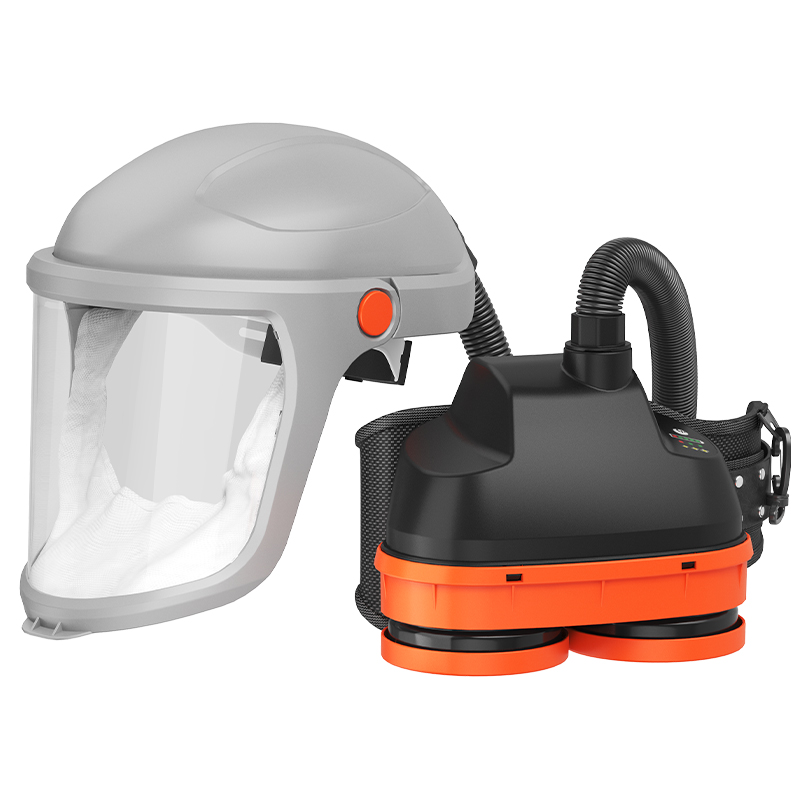
La verniciatura a spruzzo per autoveicoli è un'attività che impone requisiti doppi e rigorosi sia in termini di precisione del processo che di salute degli operatori. Non solo deve garantire una finitura liscia e uniforme con un colore uniforme, ma deve anche gestire le diverse sostanze nocive presenti durante l'operazione. Durante il processo di verniciatura, dal primer, alla mano di base, fino alla vernice trasparente, materiali pericolosi come particelle di vernice nebulizzata, vapori organici e composti organici volatili (COV) sono presenti ovunque. Le normali maschere antipolvere o semimaschere difficilmente possono fornire una protezione completa; quel che è peggio, la loro elevata resistenza respiratoria può compromettere la stabilità operativa. Come dispositivi di protezione individuale professionali,maschera facciale ad aria compressa (PAPR) è diventato una "barriera protettiva standard" negli scenari di verniciatura a spruzzo per autoveicoli, grazie ai suoi doppi vantaggi di alimentazione d'aria attiva e filtrazione ad alta efficienza. Oggi esploreremo i motivi principali per cui il PAPR è indispensabile per la verniciatura a spruzzo per autoveicoli e come scegliere il modello più adatto a questo scenario. La particolarità dell'ambiente di verniciatura a spruzzo nel settore automobilistico fa sì che i normali dispositivi di protezione individuale siano ben lungi dal soddisfare le esigenze, e questo è esattamente il valore fondamentale del PAPR. In primo luogo, il processo di verniciatura a spruzzo produce particelle di vernice nebulizzata con un diametro di soli 0,1-10 micron. Queste particelle fini possono facilmente penetrare nelle maschere comuni e, a lungo termine, l'inalazione si deposita nei polmoni, causando malattie professionali come la pneumoconiosi. Nel frattempo, i solventi presenti nella vernice (come toluene e xilene) si volatilizzano in vapori organici ad alta concentrazione. Le normali maschere a carbone attivo hanno una capacità di assorbimento limitata e si saturano e diventano inefficaci in breve tempo. In secondo luogo, la verniciatura a spruzzo nel settore automobilistico richiede spesso posture complesse, come chinarsi e sporgersi lateralmente per lunghi periodi. La resistenza respiratoria delle maschere comuni aumenta con il passare del tempo, costringendo gli operatori a respirare faticosamente e a perdere la concentrazione, il che a sua volta influisce sulla precisione della finitura della vernice. Respiratore purificatore d'aria a pressione positiva con casco fornisce attivamente aria pulita tramite un ventilatore elettrico, che non solo ha una resistenza respiratoria quasi pari a zero, ma è anche in grado di bloccare oltre il 99,97% delle particelle fini e dei vapori nocivi tramite componenti di filtrazione ad alta efficienza, bilanciando protezione e comfort operativo. Oltre alla protezione di base, il PAPR può anche migliorare indirettamente la qualità del processo di verniciatura a spruzzo per autoveicoli, un altro motivo fondamentale per cui è diventato una necessità del settore. Se i normali dispositivi di protezione individuale hanno una scarsa tenuta all'aria, la polvere esterna penetrerà nello spazio tra la maschera e il viso. Tale polvere aderisce alla superficie della vernice non essiccata, formando "macchie di polvere" e aumentando i costi di rilavorazione. Tuttavia, le maschere PAPR sono per lo più progettate come maschere a pieno facciale o semifacciali e l'anello di tenuta elastico garantisce una perfetta aderenza al viso, impedendo efficacemente l'ingresso di inquinanti esterni. Ancora più importante, il sistema di alimentazione dell'aria attivo del PAPR crea un ambiente a leggera pressione positiva all'interno della maschera. Anche in presenza di un piccolo spazio nella maschera, l'aria pulita fluirà verso l'esterno anziché consentire agli inquinanti esterni di penetrare all'interno. Questo evita fondamentalmente difetti di polvere sulla superficie della vernice, un aspetto particolarmente importante per la verniciatura a spruzzo di precisione di automobili di fascia alta. Scegliere il giusto Respiratore elettrico ad aria compressa Il modello è un prerequisito per esercitare effetti protettivi. Per gli scenari di spruzzatura automobilistica, due indicatori chiave dovrebbero essere considerati: "tipo di componente del filtro" e "modalità di alimentazione dell'aria". In termini di esigenze di filtrazione, i principali inquinanti nella spruzzatura automobilistica sono inquinanti compositi di vapori organici e particelle di vernice nebulizzata. Pertanto, è necessario selezionare un sistema di filtrazione combinato composto da "cartuccia per vapori organici + filtro HEPA in cotone ad alta efficienza": la cartuccia può assorbire vapori di solventi organici come toluene e acetato di etile, mentre il filtro HEPA in cotone blocca le particelle fini di vernice nebulizzata. La combinazione dei due consente una filtrazione completa. In termini di modalità di alimentazione dell'aria, si consiglia di dare priorità al "PAPR portatile a batteria". È leggero (solitamente 2-3 kg) e ha una durata della batteria di 8-12 ore, in grado di soddisfare la richiesta di spruzzatura continua durante tutto il giorno. Inoltre, non è limitato dai tubi dell'aria esterni, consentendo agli operatori di muoversi liberamente sulla carrozzeria del veicolo: ideale per spruzzare parti come portiere e cofani. Vale la pena notare che la scelta del PAPR per la verniciatura automobilistica deve tenere conto anche degli standard di settore e dei dettagli pratici. Il PAPR non è un "optional" per la verniciatura automobilistica, ma uno "strumento indispensabile" per proteggere la salute e la qualità del processo. La scelta del modello giusto e una corretta manutenzione possono rendere le operazioni di verniciatura più sicure ed efficienti. Per saperne di più, clicca qui. www.newairsafety.com.
PER SAPERNE DI PIÙ




 Rete IPv6 supportata