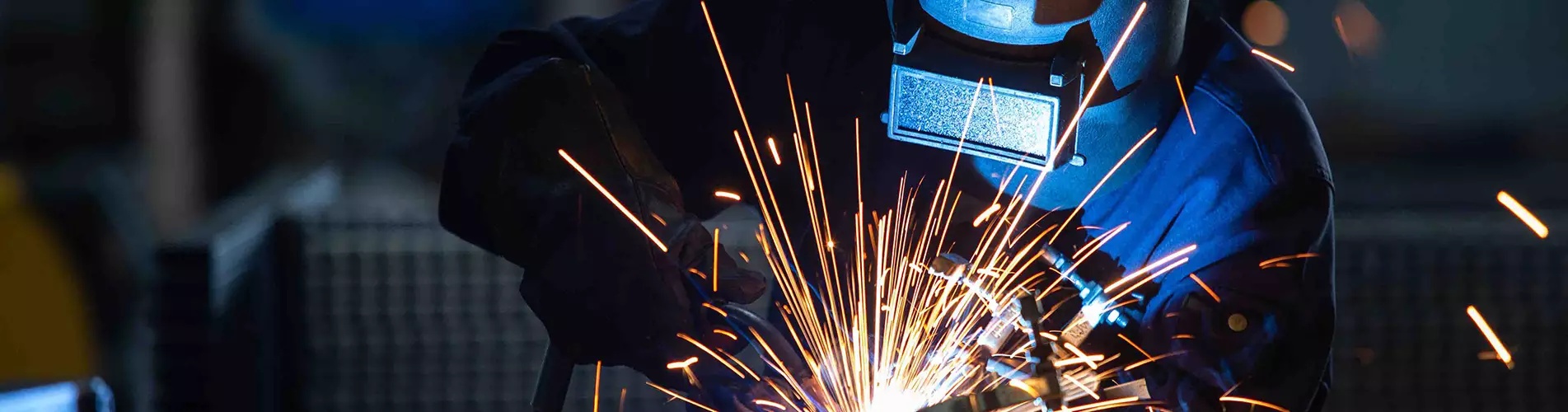
In respiratore per la purificazione dell'aria Negli scenari applicativi, la maggior parte degli utenti si concentra maggiormente sull'efficienza di filtrazione e sul livello di protezione, ma spesso trascura il potenziale impatto delle modalità di ingresso dell'aria sulle operazioni effettive. Questo articolo si concentra sulle differenze tra le modalità di ingresso dell'aria frontale, laterale e posteriore in termini di adattabilità, compatibilità con gli scenari, controllo del consumo energetico e adattamento a specifiche esigenze della popolazione, dal punto di vista delle esigenze operative in loco. La scelta della modalità di ingresso dell'aria non è solo correlata all'effetto protettivo, ma influisce anche direttamente sulla continuità operativa, sul tasso di perdita delle apparecchiature e sull'accettazione delle stesse da parte dei dipendenti. La sua importanza diventa ancora più evidente soprattutto in scenari con molteplici commutazioni delle condizioni di lavoro e operazioni a lungo termine.
La competitività principale del PAPR con ingresso aria frontale risiede nell'adattamento leggero e nella compatibilità con gli scenari di emergenza, piuttosto che nella semplice efficienza del flusso d'aria. Questo design concentra i componenti principali del filtro e dell'ingresso aria davanti alla testa, con il peso complessivo dell'attrezzatura più concentrato e il baricentro in avanti, adattandosi alla maggior parte delle forme standard della testa senza ulteriori regolazioni del carico sulla schiena o sulla vita, risultando più adatto ai lavoratori magri o con lesioni alla schiena pregresse. Nel soccorso di emergenza, nelle ispezioni temporanee e in altri scenari, il PAPR con ingresso aria frontale offre vantaggi significativi in termini di rapidità di utilizzo; senza l'ingombro del tubo flessibile, può essere indossato immediatamente dopo il disimballaggio, guadagnando tempo per lo smaltimento di emergenza. Tuttavia, non si possono ignorare potenziali svantaggi: il baricentro in avanti può causare indolenzimento al collo dopo un uso prolungato, soprattutto se utilizzato con caschi di sicurezza; la pressione di carico sulla testa è concentrata, rendendolo inadatto per operazioni continuative superiori alle 8 ore; Allo stesso tempo, l'ingresso dell'aria frontale viene facilmente respinto dal flusso d'aria respirabile, provocando la condensazione dell'umidità sulla superficie dell'unità filtrante, che è soggetta alla formazione di muffe in ambienti ad alta umidità, compromettendo la durata del filtro e la salute respiratoria.
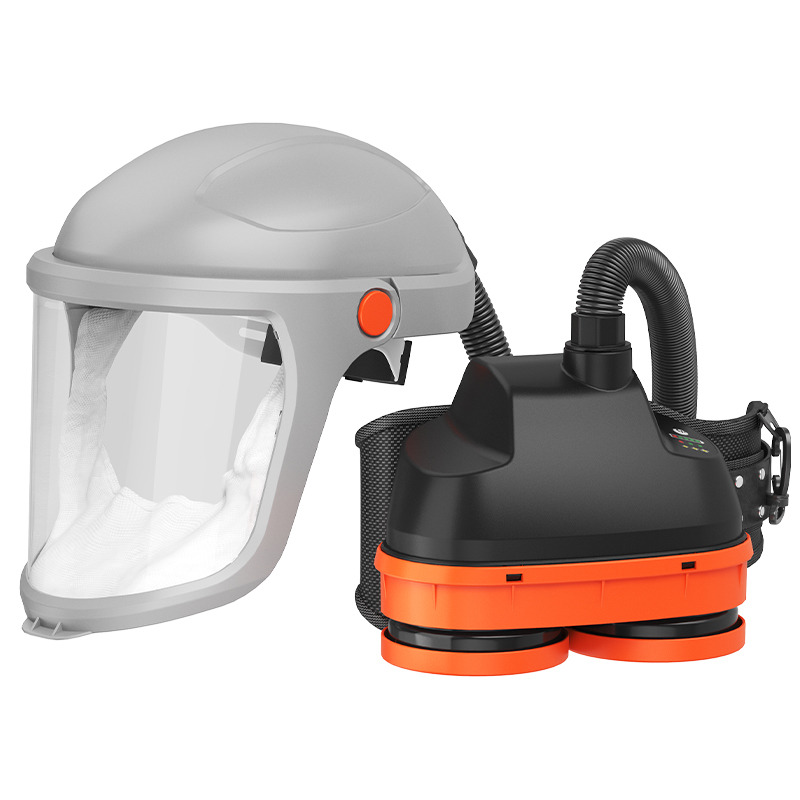
Il vantaggio principale del PAPR con ingresso aria laterale è adattabilità del coordinamento multi-attrezzatura e comfort del flusso d'aria, Questo è il fattore chiave che lo rende la prima scelta per condizioni di lavoro complete. Negli scenari industriali, i lavoratori devono spesso abbinare caschi di sicurezza, occhiali protettivi, dispositivi di comunicazione e altre attrezzature. La disposizione dell'unità di ingresso aria laterale può evitare lo spazio dell'attrezzatura davanti e sulla sommità della testa, prevenire interferenze reciproche e non compromettere la stabilità dell'elmetto di sicurezza. Rispetto al flusso d'aria diretto dell'ingresso aria frontale, l'ingresso aria laterale può ottenere un "apporto d'aria che circonda il viso" attraverso una struttura di guida del flusso, con una velocità del flusso d'aria più morbida, evitando la secchezza causata dal flusso d'aria diretto alla cavità nasale e agli occhi e migliorando notevolmente la tolleranza per operazioni a lungo termine. I suoi limiti si riflettono principalmente nell'adattabilità bilaterale: l'ingresso aria monolaterale può causare una forza sulla testa non uniforme, mentre l'ingresso aria bilaterale aumenta il volume dell'attrezzatura, che può entrare in collisione con i dispositivi di protezione delle spalle e gli strumenti operativi; inoltre, il canale di guida del flusso dell'unità di ingresso aria laterale è stretto; se la precisione di filtrazione dell'unità filtro è insufficiente, è probabile che le impurità si accumulino nella porta di guida del flusso, compromettendo la fluidità del flusso d'aria.
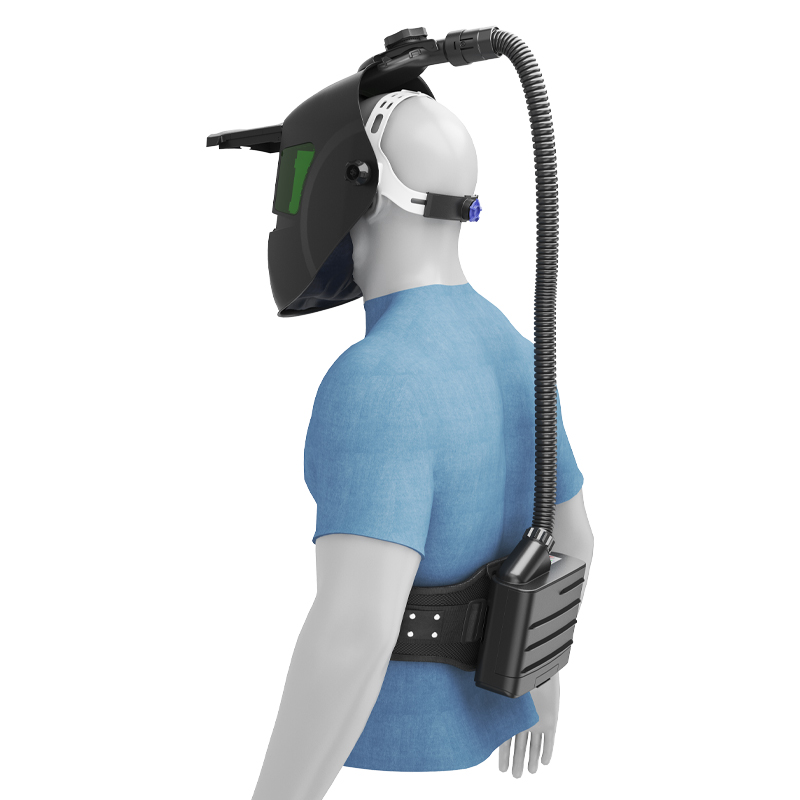
Il valore fondamentale della presa d'aria posteriore purificatore d'aria alla carta si basa sull'adattamento a condizioni di lavoro estreme e sul controllo delle perdite di apparecchiature, particolarmente adatto per scenari operativi ad alta frequenza e alta intensità. Integrando componenti principali come presa d'aria, alimentazione e batteria nella parte posteriore, solo un cappuccio leggero e un tubo di alimentazione dell'aria vengono mantenuti sulla testa, il che non solo libera completamente lo spazio operativo della testa, ma evita anche collisioni e usura dei componenti principali durante il funzionamento, riducendo significativamente i costi di manutenzione e sostituzione delle apparecchiature. Il peso del componente posteriore è distribuito uniformemente; abbinato a cintura in vita e spallacci regolabili, può distribuire il carico su tutto il corpo. Rispetto alle prese d'aria anteriori e laterali, è più adatto per operazioni a lungo termine e ad alta intensità. Inoltre, il lungo percorso del flusso d'aria posteriore può essere dotato di una semplice struttura di dissipazione del calore per alleviare il surriscaldamento delle apparecchiature in ambienti ad alta temperatura. Tuttavia, questa modalità presenta determinati requisiti per l'ambiente di lavoro: il componente posteriore è relativamente grande, non adatto a spazi ristretti, operazioni di arrampicata e altri scenari; in quanto parte di collegamento principale, se il materiale del tubo non è sufficientemente resistente, è soggetto a piegarsi e invecchiare durante i grandi movimenti degli arti e la polvere si accumula facilmente sulla parete interna del tubo, rendendo la pulizia quotidiana più difficile rispetto alle apparecchiature di ingresso dell'aria anteriori e laterali.
La logica fondamentale della selezione è l'unità adattiva "uomo-macchina-ambiente", piuttosto che la prestazione ottimale di un singolo dispositivo. Se l'operazione consiste principalmente in ispezioni temporanee e smaltimento di emergenza con elevata mobilità del personale, si dovrebbe preferire un PAPR con ingresso aria frontale per bilanciare l'efficienza di utilizzo e le esigenze di leggerezza; per le normali operazioni industriali che richiedono più dispositivi di protezione e tempi di funzionamento prolungati, l'ingresso aria laterale è la scelta che bilancia comfort e coordinamento; per operazioni ad alta frequenza e alta intensità con requisiti rigorosi sul controllo delle perdite delle apparecchiature, l'ingresso aria posteriore è più conveniente. Inoltre, è necessario considerare fattori specifici: l'ingresso aria frontale dovrebbe essere evitato in ambienti ad alta umidità per prevenire la condensa; l'ingresso aria posteriore dovrebbe essere escluso nelle operazioni in spazi ristretti e si dovrebbe preferire un ingresso aria frontale o laterale leggero; per scenari con elevate esigenze di comunicazione, l'ingresso aria laterale è più facile da coordinare con le apparecchiature di comunicazione.
La progettazione iterativa di respiratore Papr Le modalità di ingresso dell'aria rappresentano essenzialmente l'adattamento approfondito alle esigenze dello scenario operativo. Dall'ingresso dell'aria frontale iniziale per soddisfare la protezione di base, all'ingresso dell'aria laterale che bilancia comfort e coordinamento, fino all'ingresso dell'aria posteriore che si adatta a condizioni di lavoro estreme, ogni modalità ha il suo valore insostituibile. Per le aziende, la selezione non dovrebbe concentrarsi solo sui parametri delle apparecchiature, ma anche combinare il feedback degli operatori in prima linea e le specifiche differenze degli scenari operativi, in modo che il PAPR possa diventare un ausilio per migliorare l'efficienza operativa anziché un peso, garantendo al contempo la sicurezza. In futuro, con la diffusione del design modulare, le modalità di ingresso dell'aria commutabili potrebbero diventare comuni, superando ulteriormente i limiti di scenario di una singola modalità di ingresso dell'aria. Per saperne di più, clicca qui. www.newairsafety.com.




 Rete IPv6 supportata