Dec 15, 2025
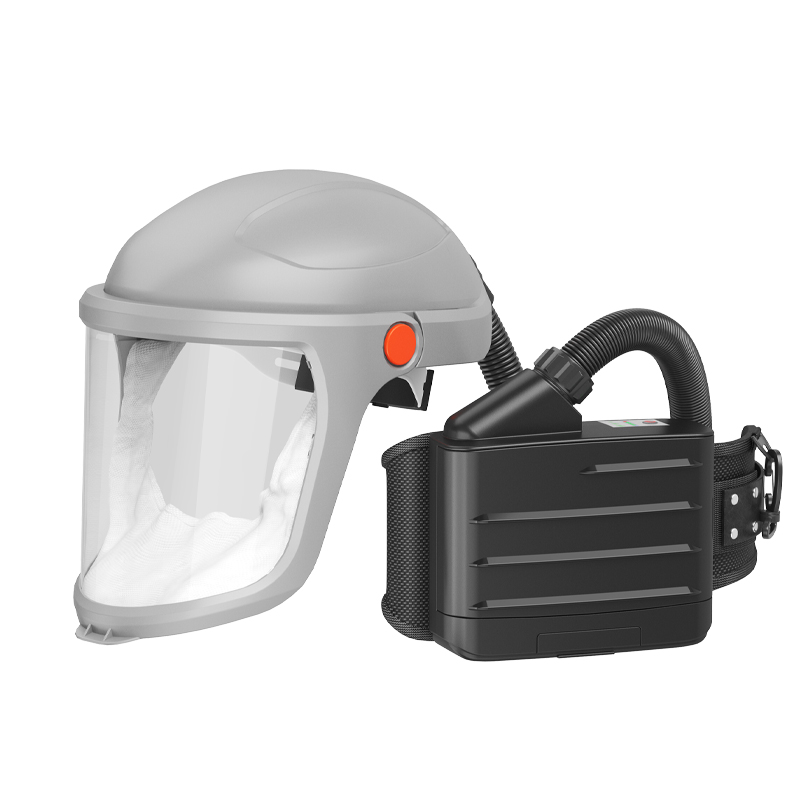
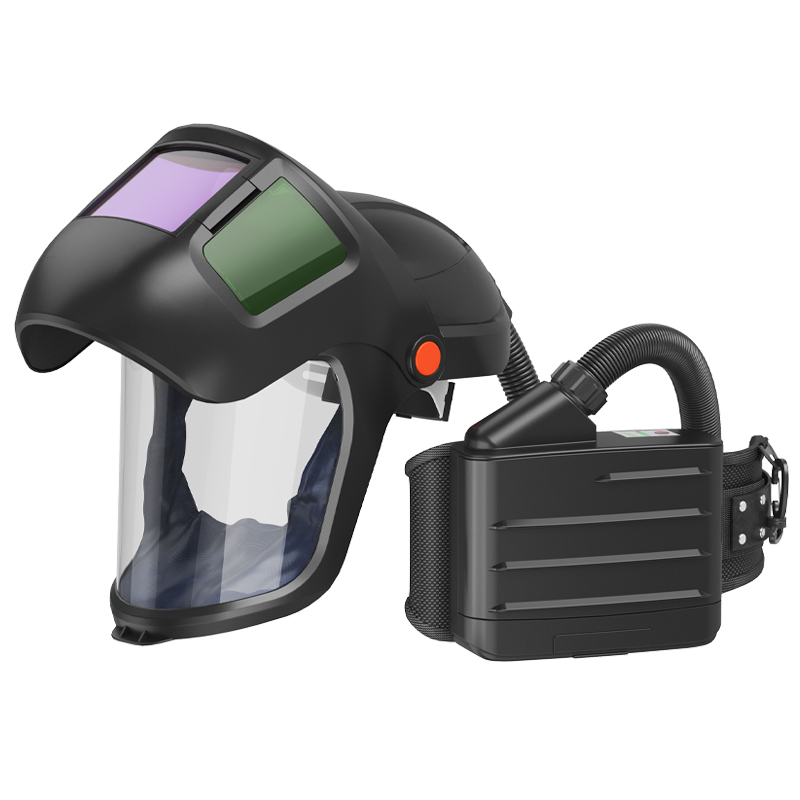
Quando si pensa alla lavorazione del legno, spesso vengono in mente immagini di trucioli volanti e del ricco aroma del legno. Eppure pochi prestano attenzione agli invisibili "killer della salute": la polvere di legno. Molti artigiani sono abituati a indossare mascherine mentre lavorano, pensando: "Finché le particelle più grandi vengono bloccate, va bene". Ma con la crescente consapevolezza della salute sul lavoro, sempre più professionisti si stanno rivolgendo a... sistema paprOggi scopriremo perché la lavorazione del legno, un'attività apparentemente "con i piedi per terra", richiede attrezzature protettive di "livello professionale". Innanzitutto, è fondamentale capire che i rischi della polvere di legno sono molto maggiori di quanto si possa immaginare. La lavorazione del legno genera non solo trucioli visibili, ma anche una grande quantità di particelle inalabili (PM2.5). Queste minuscole particelle possono penetrare in profondità nelle vie respiratorie e l'accumulo a lungo termine può portare a malattie professionali come pneumoconiosi e bronchite. Ancora più problematico è il fatto che la polvere di alcuni legni duri (come il palissandro e la quercia) contiene componenti allergenici, che possono causare prurito cutaneo e attacchi d'asma al contatto. Le mascherine tradizionali hanno un'efficienza di filtrazione insufficiente o una scarsa tenuta: la polvere può facilmente infiltrarsi attraverso le fessure intorno al naso e al mento, riducendo notevolmente il loro effetto protettivo. Il vantaggio principale di una respiratore purificatore d'aria positivo risiede nella sua "protezione attiva + filtrazione ad alta efficienza": aspira attivamente l'aria attraverso una ventola integrata, la filtra attraverso un filtro HEPA e poi la immette nella maschera, bloccando l'intrusione di polvere alla fonte. La complessità degli scenari di lavorazione del legno evidenzia ulteriormente l'insostituibilità dei PAPR. I falegnami svolgono una varietà di attività, dalla segatura e piallatura alla levigatura e finitura. Ogni processo produce inquinanti diversi: la segatura del legno duro genera molti trucioli affilati, la levigatura crea polvere ultrafine e la finitura può essere accompagnata da composti organici volatili (COV). Le maschere tradizionali sono spesso inefficaci contro questo "inquinamento composito", ma i PAPR possono essere dotati di filtri diversi a seconda del processo: non solo filtrano la polvere, ma forniscono anche protezione contro gli inquinanti gassosi come i COV. Ancora più importante, le operazioni di lavorazione del legno richiedono spesso di chinarsi e girarsi frequentemente, il che può facilmente spostare le maschere tradizionali. Le maschere PAPR, tuttavia, sono progettate per aderire perfettamente al viso e vengono fissate con fasce o caschi di sicurezza. Anche quando ci si china per levigare un tavolo o si inclina la testa per tagliare il legno per lunghi periodi, mantengono una buona tenuta. Il comfort durante lunghe ore di lavoro è uno dei motivi principali per cui i PAPR stanno guadagnando popolarità tra i falegnami. È comune per i falegnami lavorare più di 8 ore al giorno. Le mascherine tradizionali, soprattutto quelle ad alta protezione come le N95, hanno una scarsa traspirabilità. Indossarle per un periodo prolungato può causare oppressione toracica, mancanza di respiro e lasciare segni sul viso. I PAPR, invece, mantengono una leggera pressione positiva all'interno della maschera attraverso un'erogazione d'aria attiva continua, rendendo la respirazione più fluida e riducendo efficacemente l'ostruzione. Alcuni potrebbero pensare respiratori motorizzati Sono più costose delle mascherine tradizionali e offrono un rapporto costo-efficacia basso. Tuttavia, dal punto di vista dei costi sanitari a lungo termine, questo investimento vale sicuramente la pena. I costi di trattamento per malattie professionali come la pneumoconiosi sono elevati e, una volta contratta, sono difficili da curare, con gravi ripercussioni sulla qualità della vita e sulla capacità lavorativa. Un PAPR affidabile può essere utilizzato a lungo, purché il filtro venga sostituito regolarmente. Non solo protegge la salute, ma evita anche perdite di tempo dovute a malattia. Per gli studi di falegnameria professionale, fornire PAPR ai dipendenti è anche una dimostrazione di responsabilità aziendale, che può migliorare la coesione del team e la sicurezza sul lavoro. La lavorazione del legno è un'arte che richiede pazienza e ingegno. Proteggere la propria salute è essenziale per coltivare al meglio quest'arte. Le mascherine tradizionali possono essere sufficienti per ambienti con polvere leggera e di breve durata, ma per operazioni di lavorazione del legno complesse e di lunga durata, la protezione ad alta efficienza, il comfort e la sicurezza sanitaria offerti dai PAPR sono insostituibili rispetto ai normali dispositivi di protezione individuale. Non lasciare che "ci si abitua" o "va bene" diventino minacce nascoste per la tua salute. Aggiungi un PAPR al tuo banco da lavoro e rendi ogni sessione di piallatura e levigatura più rassicurante. Per saperne di più, clicca qui. www.newairsafety.com.
PER SAPERNE DI PIÙ




 Rete IPv6 supportata