Jan 20, 2026
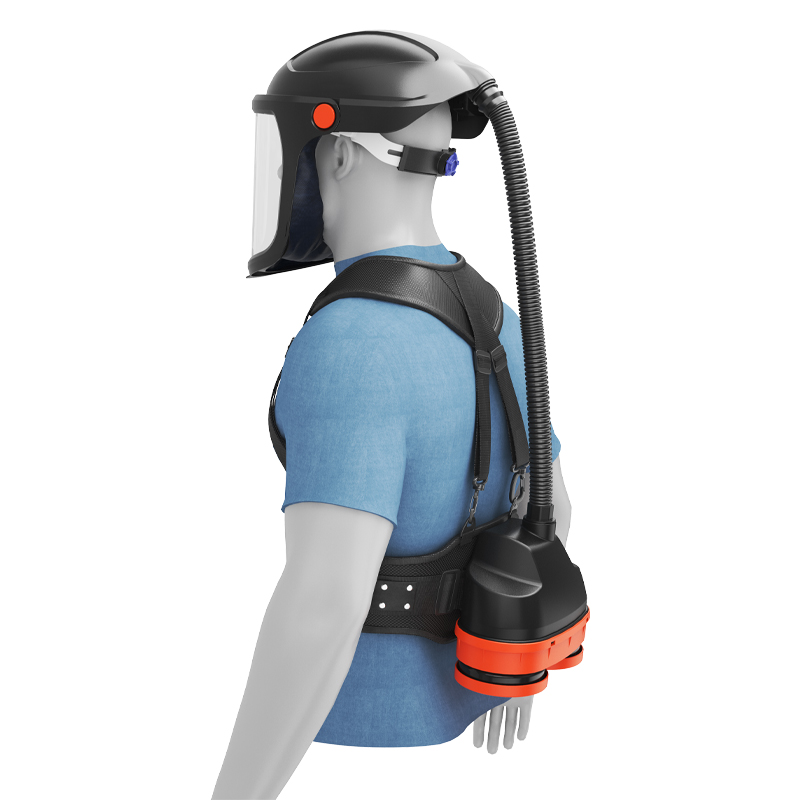
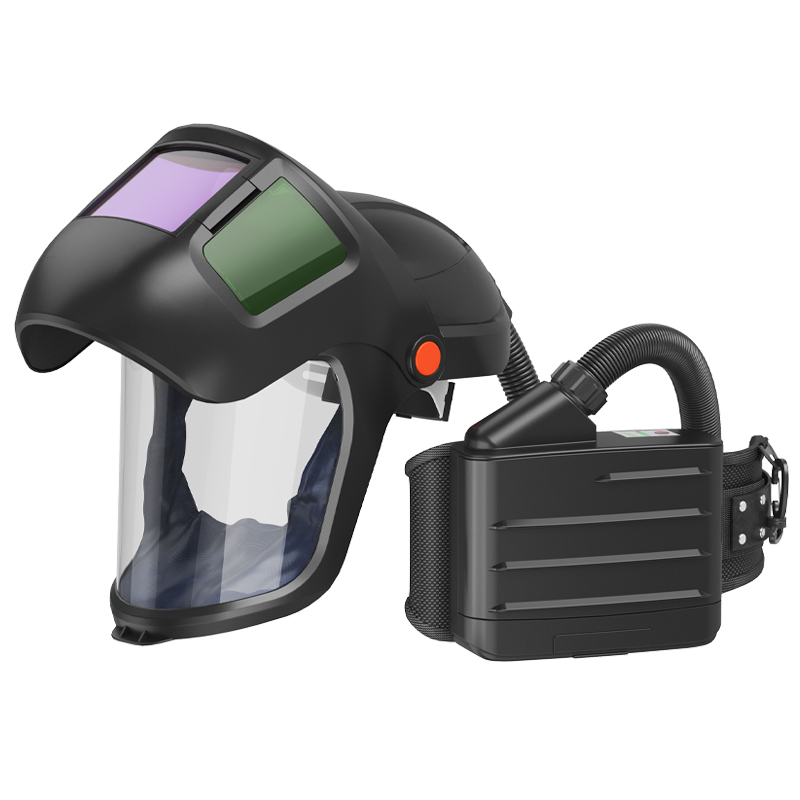
I lavori di demolizione coinvolgono ambienti complessi e variabili. Dall'abbattimento di muri di vecchi edifici allo smantellamento di impianti industriali, inquinanti come polveri, gas nocivi e composti organici volatili (COV) sono onnipresenti, imponendo requisiti estremamente elevati in termini di protezione respiratoria per i lavoratori. respiratore alimentato a batteria Sono diventati dispositivi di protezione fondamentali nei lavori di demolizione grazie ai vantaggi della protezione a pressione positiva e del basso carico respiratorio. Tuttavia, non tutti i PAPR sono adatti a tutti gli scenari; la scelta del tipo giusto è essenziale per costruire una solida linea di difesa per la sicurezza respiratoria. Rispetto ai tradizionali respiratori a pressione negativa, i PAPR erogano aria attivamente attraverso un ventilatore elettrico, il che non solo riduce l'affaticamento respiratorio durante le operazioni ad alta intensità, ma previene anche la fuoriuscita di inquinanti attraverso l'ambiente a pressione positiva all'interno della maschera, migliorando significativamente l'affidabilità della protezione. Per le operazioni di demolizione generiche che generano polvere, sono preferibili i PAPR con filtro antiparticolato. Tali operazioni comportano comunemente la demolizione di calcestruzzo, muratura, legno e altri componenti, con polvere respirabile, in particolare particelle fini PM2.5, come inquinante principale. L'inalazione prolungata può facilmente indurre pneumoconiosi. Nella scelta del modello, è consigliabile utilizzare filtri antiparticolato ad alta efficienza e la maschera può essere scelta in base alle esigenze di flessibilità operativa. Per scenari all'aperto, come la demolizione di muri e pavimenti, i PAPR con cappuccio ad aria compressa sono più adatti. Non richiedono un test di adattamento facciale, offrono un'elevata adattabilità e possono anche fornire protezione dagli urti alla testa. Per spazi di lavoro ristretti con concentrazioni di polvere estremamente elevate, si consiglia di utilizzare PAPR a pieno facciale aderenti, con una portata d'aria minima non inferiore a 95 l/min, che crea una tenuta ermetica sul viso per impedire alla polvere di penetrare attraverso le fessure. Per le operazioni di demolizione che coinvolgono gas nocivi, sono necessari PAPR a filtrazione combinata. Durante la demolizione di vecchi edifici, vernici e rivestimenti emettono composti organici volatili come formaldeide e benzene, mentre lo smantellamento di impianti industriali può rilasciare gas tossici come ammoniaca e cloro. In questi casi, un singolo PAPR a filtrazione di particolato non può soddisfare le esigenze di protezione. È necessario utilizzare elementi filtranti doppi (particolato + gas/vapori), con una selezione precisa in base alla tipologia di inquinante: cartucce filtranti a carbone attivo per vapori organici ed elementi filtranti ad adsorbimento chimico per gas acidi. In questi scenari, sono preferibili i PAPR a tenuta stagna a pressione positiva. In combinazione con l'alimentazione di aria forzata, non solo filtrano efficacemente i gas nocivi, ma riducono anche i residui di inquinanti all'interno della maschera grazie all'alimentazione continua di aria, evitando al contempo i rischi di avvelenamento causati dalle perdite della maschera. Scenari speciali richiedono una selezione mirata di risorse dedicate respiratori purificatori d'aria motorizzati larghiLa demolizione di componenti contenenti amianto è un'operazione ad alto rischio: una volta inalate, le fibre di amianto causano danni polmonari irreversibili. È necessario utilizzare ventilatori elettroventilati (PAPR) conformi agli standard di protezione dall'amianto, abbinati a filtri HEPA ad alta efficienza. Inoltre, è necessario adottare modelli a cappuccio per evitare perdite di fibre dovute all'uso improprio di maschere aderenti. Nel frattempo, il cappuccio deve essere utilizzato con indumenti di protezione chimica per garantire una protezione completa del corpo. Per la demolizione in spazi confinati come scantinati e condotti di tubature, è necessario prima testare i livelli di ossigeno. Se la concentrazione di ossigeno non è inferiore al 19% (ambiente non IDLH), è possibile utilizzare ventilatori elettroventilati portatili a pressione positiva con sistemi di ventilazione forzata. In caso di rischio di carenza di ossigeno, è necessario utilizzare respiratori ad aria compressa anziché affidarsi ai ventilatori elettroventilati. La selezione del PAPR deve bilanciare il rispetto degli standard e la praticità operativa. Gli aggiustamenti dovrebbero essere effettuati anche in base all'intensità di lavoro: la maggior parte dei lavori di demolizione è di intensità da moderata ad alta, quindi Respiratore purificatore d'aria motorizzato TH3 Sono più efficaci nel ridurre il carico respiratorio, impedendo ai lavoratori di rimuovere i dispositivi di protezione individuale a causa dell'affaticamento. La durata della batteria deve essere adeguata alla durata di funzionamento: per operazioni all'aperto di lunga durata, si consigliano modelli con batteria sostituibile per garantire una protezione ininterrotta. Inoltre, gli elementi filtranti devono essere sostituiti rigorosamente secondo i tempi previsti: le cartucce del filtro antigas devono essere sostituite entro 6 mesi dall'apertura, o immediatamente in caso di odori sgradevoli o aumento della resistenza, per evitare guasti alla protezione. Infine, è opportuno sottolineare che i PAPR non sono dispositivi di protezione universali e il loro utilizzo deve basarsi su una valutazione completa dei rischi. Prima dei lavori di demolizione, è necessario effettuare test in loco per identificare i tipi di inquinanti, le concentrazioni e le caratteristiche ambientali, per poi selezionare il tipo di PAPR più adatto allo scenario. Solo selezionando e utilizzando correttamente i PAPR possiamo creare una barriera affidabile per la salute respiratoria in lavori di demolizione complessi, bilanciando efficienza operativa e protezione della sicurezza. Per saperne di più, clicca qui. www.newairsafety.com.
PER SAPERNE DI PIÙ




 Rete IPv6 supportata